
A Safe Journey Is Part of the Recovery Process
“A lot of people think recovery begins when they get home from the hospital. Well, it starts when they leave the building. A medical treatment, surgery, or an unexpected hospital stay can make even a short automobile trip feel weary. Getting in and out of a car might be uncomfortable, drugs can create drowsiness, and balance isn’t always what it was a few days before. Those subtleties are easy to miss until someone experiences them firsthand. Choosing Medical Transportation in Massachusetts offers patients a safer and more comfortable method to get home, so the focus may stay on recovery and not on the obstacles of travel.
Why Hospital Discharge Deserves More Planning
Hospital staff work hard to make sure patients are medically ready to leave, but discharge does not automatically mean someone is ready to travel without assistance. A person recovering from a knee replacement has very different needs from someone returning home after heart treatment, yet both can face unexpected difficulties during the journey. Climbing into a standard vehicle, sitting for extended periods, or navigating busy car parks may become genuine obstacles. Having transportation that is designed around patient care removes many of those concerns before they become stressful situations.
Recovery Does Not End at the Hospital Door
For many people, going home is only one step in a much longer recovery process. Follow-up appointments, rehabilitation sessions, imaging tests, and specialist visits often become part of the routine for weeks or even months. Missing one appointment might not seem significant, but it can slow progress or delay important treatment decisions. That is one reason families often arrange Medical transportation to the hospital well beyond the initial discharge. A dependable ride means one less problem to solve during a time when there are already plenty of things demanding attention.
Different Patients, Different Needs
No two recoveries look exactly alike. Age, mobility, medical history, and the type of treatment all shape what someone needs after leaving the hospital. Professional transportation can provide valuable support for people in many different situations, including:
- Patients recovering from surgery
- Seniors returning home after inpatient care
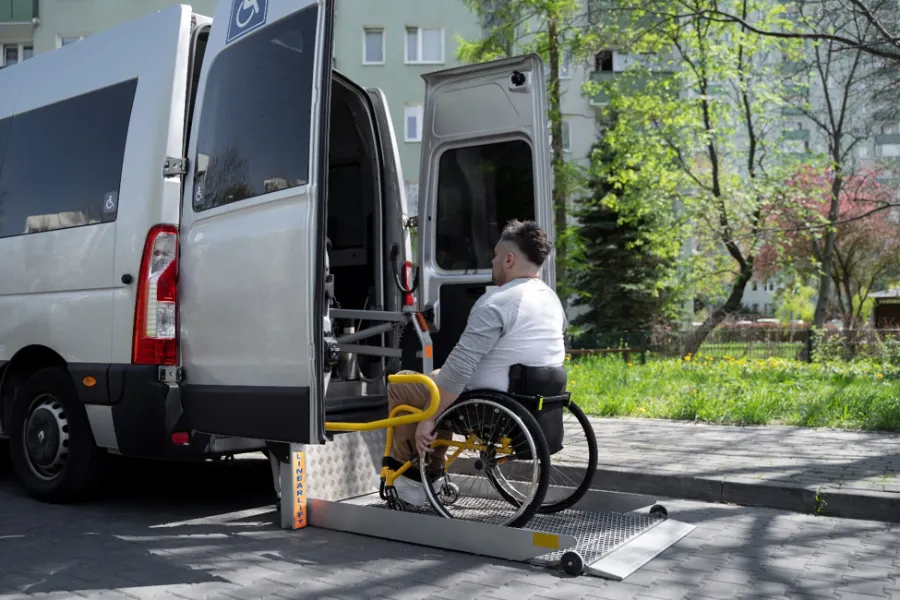
- Individuals who use wheelchairs, walkers, or other mobility aids
- People with temporary injuries that make driving unsafe
- Patients attending rehabilitation or ongoing medical appointments
Comfort Matters More Than People Realise
When someone is recovering, little things suddenly become important. A sharp turn in the road, an awkward step into a vehicle, or having to rush while getting seated can leave a patient sore for hours afterwards. Professional transportation is built around those moments. Extra time is taken when needed, assistance is available throughout the trip, and the overall experience feels calmer. It is not simply about reaching the destination. It is about getting there without adding unnecessary discomfort to an already difficult day.
Giving Families One Less Thing to Worry About
Family members naturally want to help, but helping is not always straightforward. Driving someone home after surgery sounds simple until that person struggles to stand, needs assistance with mobility equipment, or feels unwell halfway through the journey. Those situations can leave loved ones feeling anxious because they are trying to provide care without the right training or equipment. Professional transportation offers reassurance for everyone involved. Patients receive thoughtful assistance, while families can spend their energy where it matters most, supporting recovery instead of managing logistics.
Care That Continues Beyond the Hospital
It’s not just transportation; it’s an extension of patient care. At Brockton Transportation Services, we know that transportation is about more than just getting from one place to another. We are conscious that no two individuals have the same physical needs, concerns, and expectations when they leave the hospital. So we take each journey with care, compassion, and a real want to help folks get where they’re going safely and comfortably, no matter where they are in their recovery process.”
Conclusion
Coming home from the hospital should be a relief, not an additional stress. That’s why here at Brockton Transportation Services, we aim on making the travel home as easy and stress-free as possible. If you are making arrangements for yourself or a loved one following a hospital stay, choosing medical transportation in Massachusetts can make the transition from hospital to home much easier. Healing is a process, and every moment of that process counts, including the travel itself. If you or a loved one requires trustworthy medical transportation, call Brockton Transportation Services immediately and let us assist in taking some of the stress out of this next stage in rehabilitation.
FAQs
Who should use hospital discharge transportation?
Anyone recovering from surgery, illness, or a medical procedure who needs extra assistance getting home can benefit from professional discharge transportation.
Why is professional transportation safer after a hospital stay?
Trained drivers understand how to assist patients with mobility challenges, helping reduce the risk of discomfort or injury during the journey.
Can hospital discharge transportation accommodate mobility aids?
Yes. Most professional medical transportation services can safely accommodate wheelchairs, walkers, and other mobility equipment.
Should transportation be arranged before hospital discharge?
Yes. Booking transportation in advance helps ensure a smooth transition home and prevents unnecessary delays after discharge.
Can medical transportation be used for follow-up appointments?
Absolutely. Many patients continue using non-emergency medical transportation for rehabilitation, specialist visits, and routine follow-up care.