
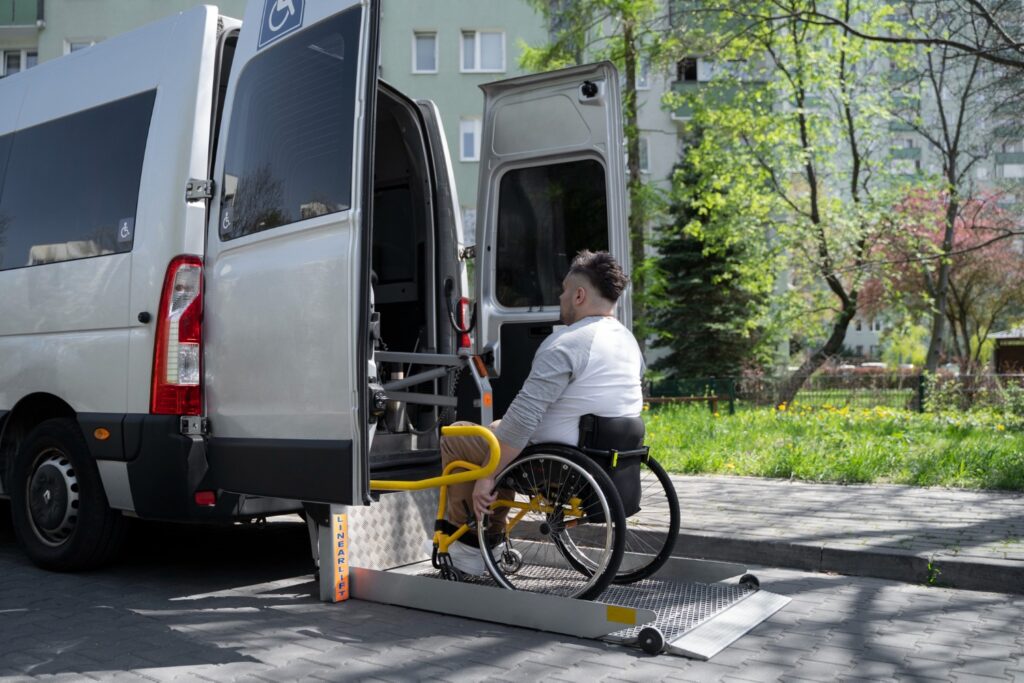
Getting a loved one to a dialysis appointment or a follow-up scan sounds simple until you’re actually doing it. Between mobility issues, medical equipment, timing, and paperwork, families often scramble at the last minute and end up stressed before the appointment even starts. That stress is avoidable. A little preparation before pickup makes the entire trip smoother, safer, and far less exhausting for everyone involved. Whether you’re arranging Wheelchair Medical Transport for a parent or booking Medical Transportation Massachusetts services for a regular treatment schedule, knowing what to prepare ahead of time changes the experience completely.
This guide walks through exactly what needs attention before the vehicle arrives, so you’re not figuring it out on the fly.
Confirm the Appointment Details Early
Make sure to double-check the date, time, and exact address at least a day before. Hospitals are often made up of several buildings and entrances, and directing the driver to the wrong one can cause delays. Any other instructions (such as which floor or department the patient needs to go to) should be included so the trip is on schedule from start to finish.
Gather Medical Documents and Insurance Information
Have insurance cards, ID, referral letters, and a list of current medications in a folder or bag. This saves time during check-in and allows transport staff to respond accordingly if something happens during the ride. Don’t leave it until the day of the appointment. Pack the night before so nothing gets left behind in the rush.
Prepare Mobility Equipment in Advance
If the patient uses a wheelchair, walker, or oxygen tank, make sure it is charged, in working order, and easily accessible when the vehicle arrives. Wheelchair Medical Transport providers are trained to safely handle these devices, but having everything set up and ready to go near the door speeds up loading and takes strain off the patient as well as the driver.
Dress the Patient Comfortably
Dress in clothing that is comfortable and suitable to the weather outside. Layers work well, especially since vehicles and waiting rooms are often different temperatures. Comfortable and secure footwear is important, too, especially if there is any walking involved between the vehicle and the building entrance.
Plan for Bathroom Needs Before Departure
“Just a quick bathroom break before you’re picked up can make the ride much more comfortable, especially if it’s a long ride,” she said. This small step is easy to miss but makes a real difference to how relaxed the patient feels once they’re in the vehicle. This small step is easy to overlook but makes a real difference in how relaxed the patient feels once they’re in the vehicle.
Communicate Any Medical Conditions to the Provider
If the patient has anxiety around travel, motion sickness, hearing loss, or any condition that affects how they should be assisted, let the transport company know beforehand. This isn’t about oversharing. It’s about giving the driver and any attendants the context they need to provide proper care during the ride.
Have a Support Person Available if Needed
For patients who feel nervous or need extra assistance getting settled, having a family member present at pickup can ease the transition. Not every trip requires this, but for someone attending a procedure alone for the first time, a familiar face nearby helps more than people expect.
Keep Emergency Contacts Handy
Write down a phone number the transport team can reach in case plans change or the patient needs something mid-trip. This is especially useful for return trips, when appointment times can shift due to delays at the clinic or hospital.
Ask Questions Before the Ride Arrives
If this is the first time booking transport, don’t hesitate to call ahead and ask how the process works. Find out how early the driver typically arrives, whether they assist with getting in and out of the building, and what happens if the patient needs a short delay before departure. A five-minute phone call can clear up most of the uncertainty that makes people anxious about the whole process.
Keep a Simple Checklist Handy
A short checklist taped to the fridge or saved on your phone makes repeat appointments much easier to manage. List out documents, mobility equipment, medications, and contact numbers so nothing gets missed when you’re rushing out the door. Over time, this turns what feels stressful into a routine that barely takes any thought at all.
Conclusion:
Preparing for a non-emergency medical trip doesn’t need to be complicated, but it does need a bit of planning. Confirming details, organizing documents, and communicating clearly with the transport team all add up to a smoother, safer experience for the patient and everyone helping them get there.
At Brockton Transportation Services, we understand how much these small details matter to patients and their families. Our team specializes in Wheelchair Medical Transport and reliable Medical Transportation in Massachusetts that families can count on, with trained staff who handle every trip with patience and care. If you’re arranging an upcoming appointment, reach out to us and let us take the stress out of the ride there and back.
FAQ's
1. What counts as non-emergency medical transportation?
It covers scheduled rides to appointments like dialysis, physical therapy, or doctor visits where the patient isn’t in immediate danger but needs assistance getting there safely.
2. How far in advance should I book a ride?
Booking at least 24 to 48 hours ahead is best, though many providers can accommodate shorter notice depending on availability.
3. Can a wheelchair user be transported without folding their chair?
Yes, most Wheelchair Medical Transport vehicles are equipped with ramps or lifts designed to accommodate wheelchairs as they are, without needing to fold them.
4. Does insurance usually cover this type of transport?
Many insurance plans, including Medicaid in some cases, cover non-emergency medical transport, though coverage varies, so it’s worth confirming with your provider beforehand.
5. Can a family member ride along during transport?
Most providers allow one caregiver or family member to accompany the patient, though it’s best to confirm this when booking the ride.